Whether you are buying your first home, upgrading, downsizing, or selling an investment property, Braselton offers a mix of small town charm and fast access to larger job centers. This checklist focuses on the practical local steps that create confident decisions today and remain relevant as the market changes. Read it carefully if you want to buy or sell in Braselton GA and rank well in search results for timely, local real estate guidance.
Start with local market signalsBefore you write an offer or schedule a showing, look at three local signals: current inventory, recent sales in the neighborhood, and average days on market. Low inventory with multiple offers changes how buyers approach escalation and inspection contingencies. For sellers, comparable sales and days on market show the realistic price window. Check monthly updates for Braselton neighborhoods, not just county-level data, to see where demand is concentrating.
Match home type to your timeline and budgetBraselton has new construction communities, established subdivisions, and pockets of resale homes near amenities like Chateau Elan and recreational lakes within easy driving distance. If you need to move quickly, resale homes with fewer transactional obstacles may be best. If you have time and want builder warranties and modern layouts, new construction could be a better fit. Factor in HOA rules, builder timelines, and long term maintenance when choosing.
Location matters beyond the streetSchools, commute, and lifestyle amenities directly affect resale value. Research the specific school zones that serve the property, and consider commute options to job centers in Atlanta, Gainesville, and surrounding cities. Proximity to shopping, dining, parks, and popular local destinations improves marketability — buyers in Braselton often prioritize convenient access to community hubs and major routes.
Prepare a realistic pricing strategySellers should price to reflect current demand in their neighborhood. Overpricing can increase days on market and weaken negotiating power; underpricing may leave money on the table. Buyers should use recent comparable sales and inspection findings to craft offers that balance competitiveness with protection. In active markets, consider escalation clauses carefully; in slower markets, more concessions may be appropriate.
Make inspections and disclosures work for youBoth buyers and sellers gain when inspections are treated as a problem solving step, not a battle. Sellers who complete targeted repairs or provide thorough disclosures often sell faster and with fewer renegotiations. Buyers should use inspections to prioritize safety and costly repairs, and avoid overreacting to cosmetic items that can be upgraded after closing. Always get clear estimates for any recommended work before renegotiating price.
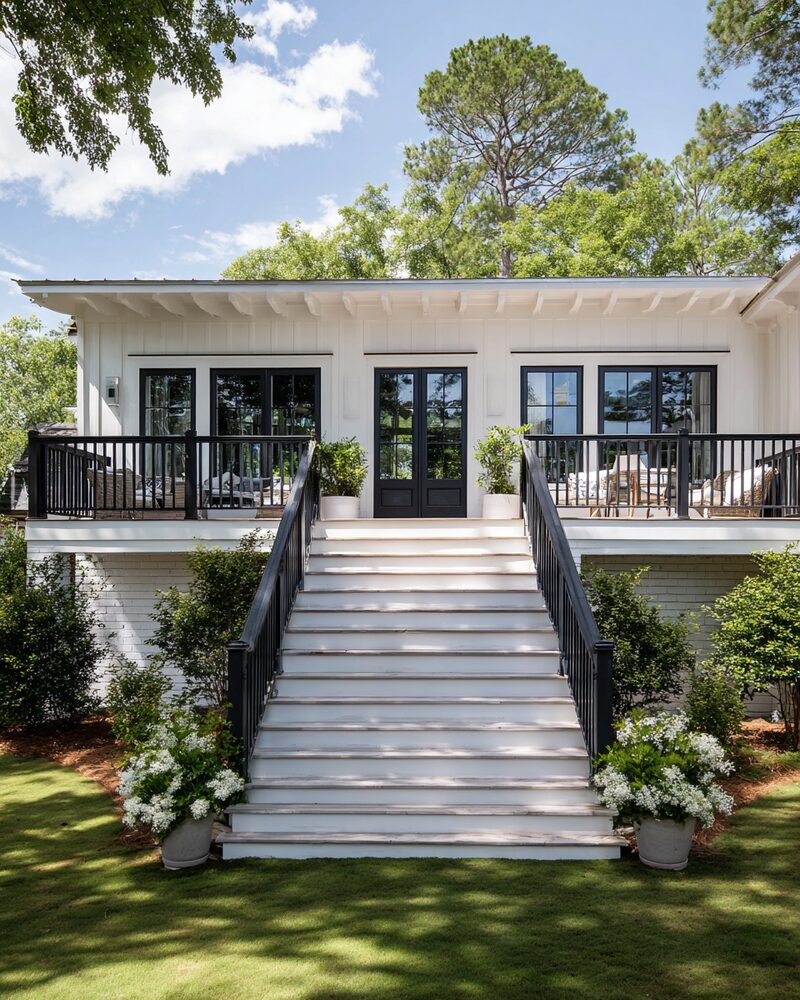
Staging and curb appeal pay offSimple, cost-effective updates can increase buyer interest. Focus on curb appeal, neutralizing interior colors if needed
